Walk Into the Past, One Story at a Time

Today we explore Historical Documentary Sites You Can Walk Through Today, living landscapes where footpaths overlap with archival truth. Expect evocative routes, curated evidence, and carefully staged encounters with memory that invite empathy, curiosity, and responsible reflection. Bring comfortable shoes, a charged phone, and an open mind; these places reward patient pacing, attentive listening, and the willingness to compare your own assumptions with verifiable records and the voices of people who were there.

Finding Places Where Archives Meet Streets

Choosing where to go begins with understanding how evidence is presented in space. The most compelling locations combine accessible pathways with documented sources, interpretive signage, and trained guides. Seek places that cite archives, credit communities, and provide context beyond dramatic storytelling, so every step links lived ground with corroborated material, allowing you to sense the difference between atmospheric reenactment and thoughtfully curated, ethically grounded public history.

Walking as Narrative: Paths That Play Like Films
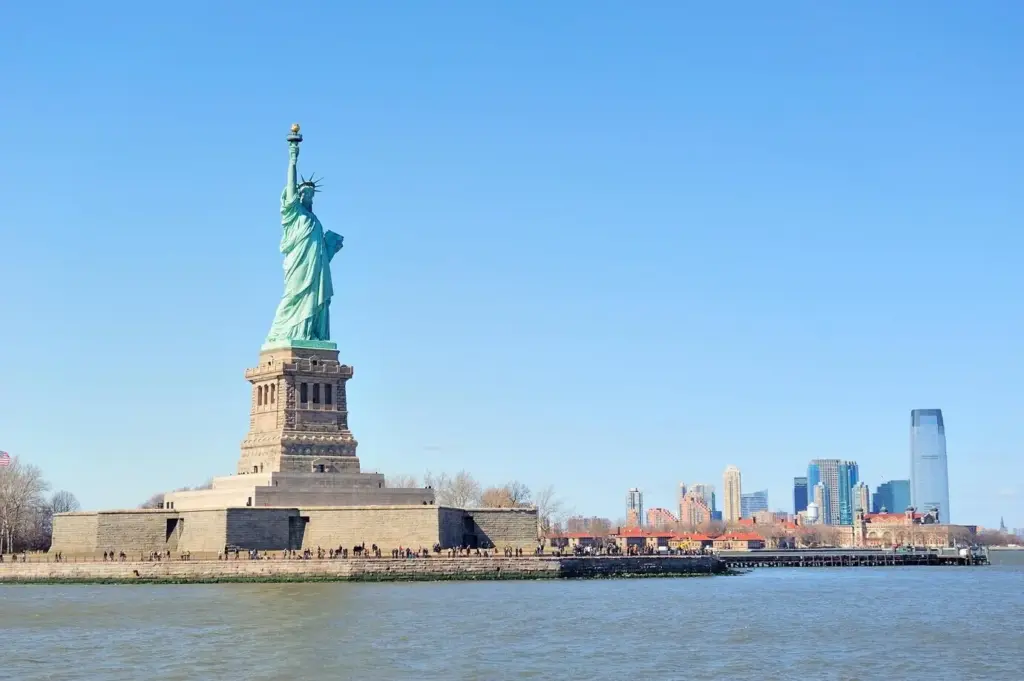
When curated thoughtfully, a route becomes a cinematic arc experienced at human speed. Entry plazas function as opening credits; alleys and thresholds serve as plot twists; overlooks play like establishing shots that locate events within broader geographies. The best walks invite pauses, not rush, letting sensory detail anchor memory. They choreograph silence, surprise, and synthesis, so visitors internalize timelines while remaining attentive to the real lives behind each landmark.

Technology That Layers Memory Over Stone

Digital tools can deepen understanding when they illuminate evidence rather than distract. Augmented reality, spatial audio, and QR-linked archives should clarify provenance and avoid sensational overlays. Offline modes help where signals fail, and privacy practices must be explicit. Technology should serve the story and the community, preserving dignity, clearly labeling reconstructions, and guiding visitors toward sustainable attention rather than fractured, notification-driven glances that diminish complex, sensitive histories.

Augmented Reality That Respects Evidence

Effective overlays label what is reconstructed, what is inferred, and what is original. They offer citations, date ranges, and variant interpretations when historians disagree. Good AR follows your pace, offering optional depth instead of compulsory pop-ups. It avoids reenactment stereotypes, choosing documented textures and measured scale. When digital layers show sources and uncertainty, visitors learn how historical knowledge is built, not just where a dramatic scene supposedly unfolded.

Soundscapes from Primary Sources

Audio can anchor empathy without spectacle when it foregrounds diaries, court records, speeches, and letters. Spatialized sound guides attention gently, ensuring voices never drown out the environment or other visitors. Transcripts enhance accessibility. Clips should be contextualized, not cherry-picked. Consider multilingual tracks and community-curated selections. When sound honors provenance and offers quiet as punctuation, footsteps become metronomes for understanding, and the site breathes between words rather than performing over them.

QR Trails and Offline Safeguards

QR codes open archives in your hand, but they must work reliably. Sites should provide downloadable packets for intermittent connectivity, as well as printed backups. Clear privacy notes explain what data is collected when scanning. Good trails integrate code placement with sightlines and rest points, preventing crowding. Thoughtful design ensures technology complements touchable textures—brick, grass, salt air—so you remember places themselves, not only the screens that interpreted them.


Care, Consent, and Difficult Pasts

Many walkable histories involve trauma, displacement, or ongoing injustice. Visiting requires care for self and others. Effective sites center descendant and local voices, communicate community agreements, and provide content warnings without softening truth. Docents model respectful conversation, redirect harmful behavior, and invite restorative pauses. Consent includes photography guidelines, language access, and honoring spiritual practices. Responsible walking prioritizes dignity and learning over spectacle, allowing sorrow to educate without being consumed as entertainment.

Planning a Journey That Honors Time

Logistics shape understanding as much as content. Arrive when light and sound flatter interpretation: early mornings for contemplative routes, afternoons for bustling marketplaces, evenings for memorial candlelight. Check calendars for tours led by specialists or community guides. Purchase tickets in advance and confirm accessibility details. Layer reading before and after your visit, turning one day into a sustained inquiry. Thoughtful planning transforms a pleasant stroll into meaningful, evidence-based exploration.

Carry the Experience Home

A walk’s power extends beyond the gate when you embed insights in daily life. Record questions, revisit sources, and connect with descendant communities’ initiatives. Share responsibly with friends and colleagues, citing archives and linking to resources. Turn inspiration into action by supporting preservation funds, volunteering, and participating in public discussions. Subscribe to updates, propose new routes, and return with others. The path continues in every conversation that remembers carefully.
Xonizuxurenaxavavoro
Privacy Overview

This website uses cookies so that we can provide you with the best user experience possible. Cookie information is stored in your browser and performs functions such as recognising you when you return to our website and helping our team to understand which sections of the website you find most interesting and useful.